So Everyone Loves Your Thing Now — And You Kind of Hate It
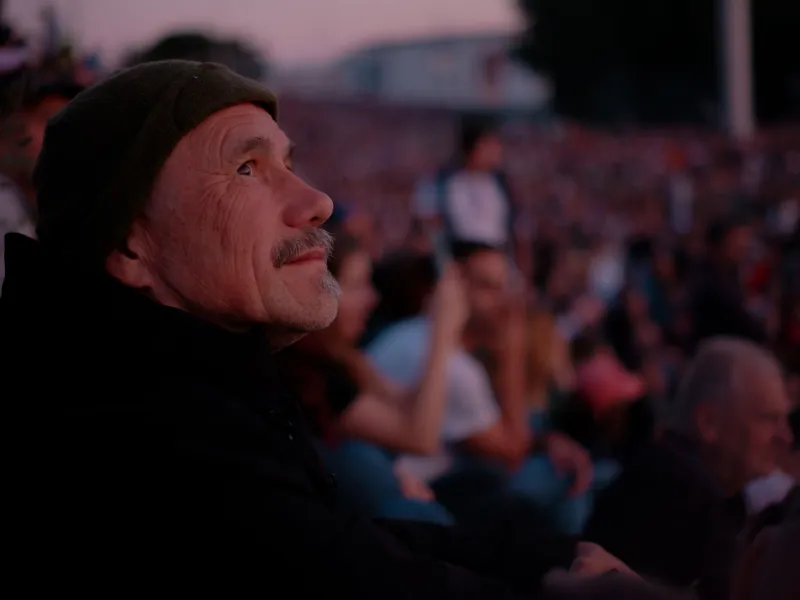
Picture this: you've been obsessed with some weird little corner of culture for years. Maybe it's an indie anime that never got an English dub. Maybe it's a podcast with like 4,000 listeners that somehow feels like your personal secret. Maybe it's a regional food trend, a niche subgenre of music, or a show that got cancelled and then quietly developed a cult following on a streaming platform nobody used to talk about.
You knew every reference. You were the person who introduced it to other people. It was yours in the way that only something obscure and underappreciated can be yours.
And then one day — a tweet blows up, or a TikTok sound goes viral, or some big outlet publishes a 'have you heard of this?' piece — and suddenly your thing is everyone's thing. And instead of feeling happy about it, you feel... weird. Kind of territorial. A little sad. Maybe even annoyed.
Welcome to the complicated grief of watching your niche go mainstream.
Why It Feels Like a Loss (Even Though Nothing Technically Went Away)
Here's the thing no one really talks about: your connection to niche content isn't just about the content itself. It's about the identity that forms around it. When you're into something obscure, that interest becomes part of how you see yourself — and how you present yourself to the world. You're the person who knows about it. That's a real social currency, especially in spaces where taste and cultural knowledge matter.
When that thing blows up, the identity scaffolding shifts. Suddenly you're not the discoverer anymore. You're just another fan in a much larger crowd. The community that felt intimate and specific now has a million new members who didn't put in the same time, the same emotional investment, the same years of caring when nobody else did.
Psychologists have a term for the attachment people form to groups and communities: social identity. And when the boundaries of that group expand dramatically — especially fast — it can genuinely feel disorienting, even threatening. That's not you being dramatic. That's a real psychological response to a real shift.
The Gatekeeping Impulse Isn't Always What You Think
Gatekeeping has a bad reputation, and honestly, a lot of the time it deserves it. Nobody needs some guy in the comments demanding you prove your fandom credentials before you're allowed to enjoy something. That version of gatekeeping is just exclusion dressed up as passion.
But there's a softer, more human version of the impulse that's worth examining rather than just dismissing. When you feel the urge to say well, I liked them before or the old stuff was better or the community used to be different, sometimes what you're really saying is: this thing meant something specific to me, and I'm scared that meaning is going to get diluted.
That's not toxic. That's grief. And grief usually means something mattered.
The problem is when that grief curdles into gatekeeping behavior — policing who gets to be a fan, treating newcomers like they're somehow lesser, or deciding that mainstream popularity retroactively ruins the thing you loved. That path leads somewhere ugly, and it also just... doesn't work. You can't protect something from popularity by being mean about it.
What Actually Changes When Something Blows Up
Let's be honest about what does and doesn't change when your niche thing goes mainstream.
What changes: the community. This is real. A Discord server with 200 dedicated, longtime fans operates completely differently than one with 20,000 new members. The inside jokes thin out. The shared shorthand disappears. Conversations that used to feel like talking to people who got it now feel more like explaining it to people who just got here. That's a genuine loss, and it's okay to mourn it.
Also changing: the content itself, sometimes. Creators respond to bigger audiences. Shows get notes from bigger networks. The thing that was weird and specific and maybe a little rough around the edges gets sanded down for broader appeal. That's not always bad, but it's often different, and different can feel like loss even when it isn't technically worse.
What doesn't change: the thing itself, in its original form. The episodes still exist. The albums are still there. The early-run comics aren't going anywhere. Your history with the thing — all those years of caring — can't be erased by a viral moment. A newcomer who found it through a TikTok in 2024 doesn't get to take your 2018 experience away from you. That's still yours.
Can You Actually Enjoy It Once Everyone Loves It?
This is the real question, right? Because some people genuinely can't. The mainstream adoption feels like a contamination they can't get past, and eventually they quietly distance themselves from the thing they used to love. That's a sad outcome, but it's also a human one.
For most people, though, the answer is yes — it just takes some adjustment. A few things that tend to help:
Find your corner of the new, bigger fandom. Most large fandoms have micro-communities within them — the people who've been around, who care about the deep cuts, who want to go beyond the surface-level stuff. Seek those out instead of trying to hold the whole community to the old standard.
Let yourself be a little nostalgic without making it everyone else's problem. You're allowed to miss the old days. You're allowed to prefer the pre-hype era. Just maybe keep that energy in your personal journal or your group chat with the original fans, rather than making every new person feel unwelcome for arriving late.
Separate the thing from the moment. The hype will peak and then it'll quiet down. It always does. The people who are there just for the trend will move on to the next thing. What's left after the hype cycle is usually a larger but more settled community — and sometimes that's actually pretty good.
The Weirdest Part
Here's what nobody tells you about your niche thing going mainstream: sometimes you're going to feel proud of it. Like, genuinely, unexpectedly proud. Because deep down, part of you always knew it deserved more attention. You recommended it to people. You made the case for it. You were right about it before everyone else caught up.
That feeling is real too, and it's allowed to coexist with the grief and the weird territorial instinct and the mild annoyance at the newcomers who haven't done the lore homework yet.
Loving a niche thing is complicated. Watching it grow is even more complicated. But the alternative — never caring deeply about anything, never being the person who found it first — sounds way worse.
You can be a little possessive about your thing and still welcome people into it. You can mourn what changed and still show up for what it is now. You can hold both.
That's kind of what being a real fan actually means.