You Stopped Watching and Now You Feel Like a Monster — But You're Really Not
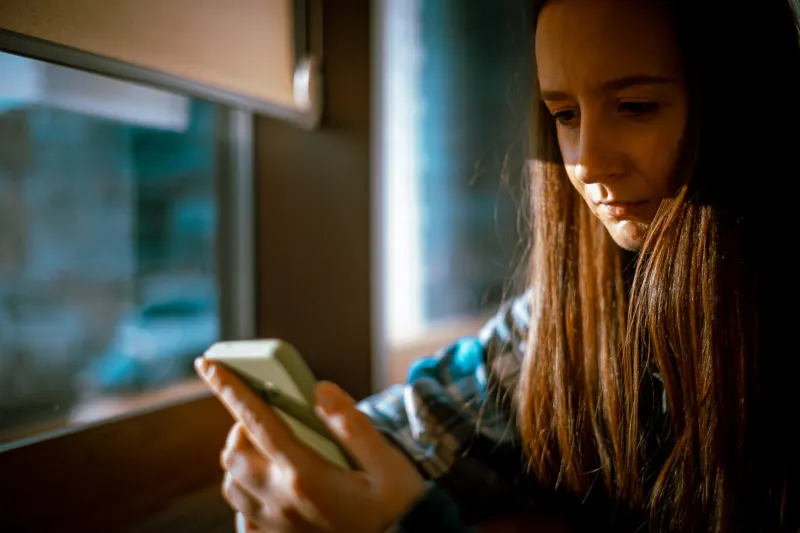
Somewhere between the third unskipped ad and the realization that you've been watching someone's video with zero genuine interest for about four minutes straight, it hits you: I don't actually care about this anymore.
And then comes the second, weirder realization: you feel absolutely terrible about it.
Not because the creator did anything wrong. They didn't say something offensive or pivot into MLM territory or get caught in some messy scandal. They're still exactly who they were. You're just... different now. Your interests shifted. The content that used to feel like comfort food now just kind of sits there, and you don't know what to do with it.
So you hover over the unfollow button like you're about to break up with someone at their birthday party.
Why Does a Simple Click Feel So Heavy?
Here's the thing nobody really explains about parasocial relationships: they create a sense of debt that only flows one direction. You've spent hours — sometimes years — watching someone's content. You've seen their apartment evolve, watched them go through breakups, celebrated when their channel hit a milestone. That's a real investment of your time and emotional energy, even if they have no idea you exist.
When you decide to step back, your brain doesn't categorize it as "adjusting a content subscription." It files it under abandoning someone who trusted you. Which is wild, when you think about it, because they never handed you anything. The intimacy was entirely constructed on your end — through their carefully edited videos, their casual "hey guys" intros, the way they talk to the camera like it's a friend sitting across from them at a coffee shop.
That's the design. It's not manipulation exactly, but it is intentional. The whole creator economy runs on you feeling like a regular in someone's life. When you leave, you feel like you're walking out mid-conversation.
The Guilt Gets Louder When Nothing's Actually Wrong
Oddly enough, unfollowing someone who did something genuinely bad is almost easier. There's a clear reason. You can point to it. "They said that thing," or "they went in a direction I can't support." The moral logic is clean.
But drifting away because you just... grew? Because your taste changed? Because you went through something that rerouted your entire personality and now a cooking channel that used to calm you down just feels like background noise? That's harder to justify — to yourself, weirdly, even though you're the only one in the room.
You start negotiating. Maybe I'll just mute them instead. Maybe I'll keep following but stop watching. Maybe I'll check back in a few months. You're basically doing the "we should take a break" conversation with someone who doesn't know your name.
And that's not a knock on you. It's actually a sign of how genuinely human these connections feel, even when they're technically one-sided.
Your Attention Isn't a Loyalty Pledge
Let's be real for a second: following someone on the internet was never a contract. You didn't sign anything. There was no handshake, no mutual agreement that your viewership was permanent. You clicked a button because at that moment, the content was adding something to your life. That's the whole deal.
Creators — good ones, anyway — understand this. The ones who've been around long enough know that audiences shift. People age out of content. Life changes the algorithm of your own interests way more aggressively than any platform update ever could. A creator who built their channel around college humor is going to lose viewers who graduated five years ago. That's not failure. That's just time doing its thing.
You following someone for three years and then quietly unfollowing isn't a betrayal. It's the natural end of a relationship that was always going to be time-limited, even if you didn't know that at the start.
The Part Where We Talk About What You Actually Owe
You owe creators exactly this much: don't be cruel. Don't leave a nasty comment on your way out the door. Don't go on Reddit to trash someone whose content simply stopped being for you. Don't brigade their comment section because you're annoyed they changed their format.
Beyond that? Nothing. Genuinely nothing.
You don't owe them a continued subscription out of guilt. You don't owe them a comment explaining your departure (this is not a relationship that requires a breakup text). You don't owe them years of passive engagement just because they were once part of your routine.
The creator-viewer relationship only functions when it's actually working for both parties. A creator benefits from engaged, interested viewers — not from people who watch out of obligation while mentally composing grocery lists. If you're not there anymore, the kindest thing you can do is just... go.
What This Actually Says About You
Here's a reframe worth sitting with: the fact that you feel guilty at all says something kind of nice about you. You're someone who takes connection seriously, even digital connection. You don't treat people — even people who don't know you — as fully disposable. That's a decent quality to have.
But there's a version of that impulse that tips into something less healthy, where you keep consuming content that no longer serves you because you're afraid of feeling like a bad person. Where you stay subscribed to thirty channels you never watch because the unfollow feels like a tiny betrayal each time. That's not loyalty. That's just digital clutter with an emotional price tag.
Your feed should reflect who you actually are right now — not who you were two years ago, not the interests you feel like you should still have, not the creators you followed because it seemed like the right thing to do at the time.
Give Yourself the Out
At some point, you have to let yourself just be a person whose tastes changed. That's allowed. That's actually the whole point of growing up, or going through things, or discovering new parts of yourself — you come out the other side with different appetites.
The content that helped you through a specific season of your life served its purpose. That's not nothing. It's actually kind of beautiful, if you think about it. You don't have to keep watching to honor what it meant to you then.
Click the button. Close the tab. Go find whatever it is that actually fits where you are now.
You're not the bad guy. You're just someone who moved on — and that's one of the most human things you can do.