Being Into It Before It Was Cool Comes With a Price Tag Nobody Warns You About
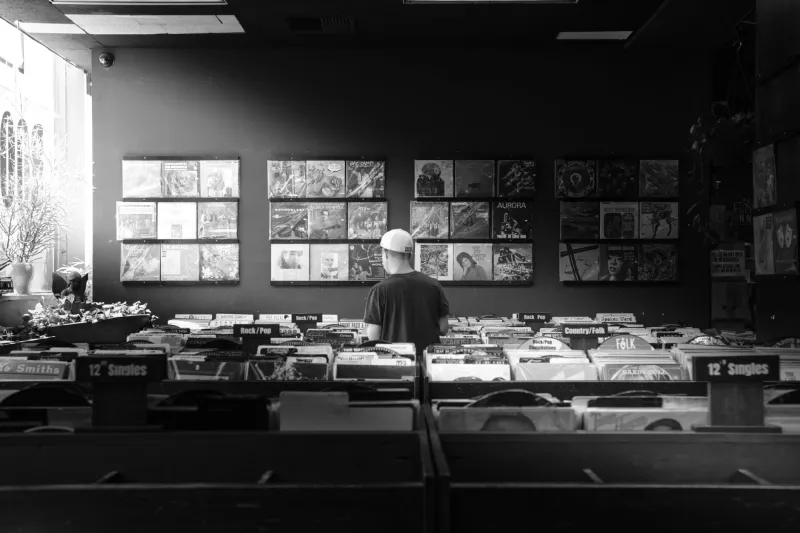
There's a specific kind of pride that comes with discovering something before the rest of the world catches on. You found the band when they were playing 200-cap venues. You backed the indie game on Kickstarter when the dev had 400 Twitter followers. You were quoting that cult animated series before it got a Netflix deal and a think-piece in The Atlantic. It feels good. Really good.
But here's the part nobody puts in the brochure: being a niche fan is genuinely, measurably expensive. And not just in dollars.
The Markup on Loving Small Things
When a major label artist drops merch, it hits Hot Topic, Target, and Amazon within weeks. Supply chains are optimized. Prices are competitive. You can get a decent hoodie for thirty bucks because half a million other people want the same one.
Now try buying merch from an indie artist with a Bandcamp page and a Shopify store they set up themselves. That hoodie is sixty-five dollars — and that's before shipping, which is somehow eleven dollars even though you live in the same time zone. Limited run of fifty. No restocks. If you miss the drop because you were at work, you're either paying resale prices on Depop or you're just... out.
This isn't a complaint about the artists. Small creators genuinely can't afford to run massive production runs on speculation. The economics make sense on their end. But the result is that being a devoted early fan of underground work costs significantly more per item than being a casual fan of something mainstream. You're essentially subsidizing the risk that comes with loving something that hasn't proven itself to the market yet.
And you do it willingly. Because you believe in it. But that belief has a literal dollar amount attached to it.
The Convention and Event Gap
Mainstream fandoms have infrastructure. Comic-Con has panels for every major franchise. There are official fan events, sponsored meetups, and enough budget behind the whole operation that tickets — while not cheap — come with a polished experience.
Niche fandoms often cobble things together. Fan-run conventions for smaller properties operate on shoestring budgets, which means higher per-ticket costs spread across fewer attendees. Indie music scenes mean driving two hours to a city that actually has a venue willing to book your favorite artist. Cult film screenings happen once, at midnight, at an art house theater that may or may not have functional air conditioning.
If you want to be present in a niche community, you often have to spend more time and money getting there than someone who just shows up to a stadium show for an artist with a tour bus and a Ticketmaster contract.
The Information Economy of Underground Fandom
Here's where it gets complicated in a way that's less about cash and more about a weird kind of social guilt.
When you love something small, you become an information node. You know when the next drop is. You know which Discord server has the actual news. You know the artist's real name, their side project, their influences. That knowledge has value — both to you and to the community you're part of.
But sharing it is a double-edged thing. You want the artist to succeed. More fans means more revenue for them, more tour dates, more content, more sustainability for the thing you love. But you've also watched, more than once, what happens when a niche thing blows up. The community changes. The vibe shifts. The artist pivots toward their new, larger audience, and suddenly the thing that felt like yours belongs to everyone, including people who would've ignored it six months ago.
So you sit with this low-grade guilt about whether to share or protect. You want to be a good fan. You want them to eat. But you also don't want to be the person who handed the keys to the thing you loved to an audience that's going to dilute it.
That's not a financial cost. But it is a cost.
Niche Fandom as an Accidental Class Marker
Let's be honest about something that doesn't get said enough: being an early supporter of underground art is, in a lot of ways, a privilege.
Not always. Plenty of people find underground music, indie games, and cult media because it's cheaper than mainstream entertainment — or because it reflects their experience in ways that mainstream stuff doesn't. The underground has always been more democratically weird than the top forty.
But sustaining that fandom? Keeping up with the limited drops, buying the self-released vinyl, backing the Patreon, attending the shows that require travel? That takes disposable income and flexible time. Two things that are not evenly distributed.
The result is a quiet class dynamic inside niche communities. The people who can afford to be early and consistent supporters shape the culture, the merch that gets made, and even what artists feel encouraged to create next. The people who discover the same artist two years later — maybe after a Spotify algorithm finally surfaced them, or after a viral TikTok moment — arrive to a community that already has its own language and hierarchy. They're welcomed, technically. But they're also newcomers in a space where tenure is quietly respected.
That's not anyone's fault exactly. But it's worth naming.
So What Do You Do With This?
Probably nothing dramatic. You're not going to stop loving the things you love, and you shouldn't. The point isn't to feel bad about being a devoted fan of obscure work — that devotion is genuinely part of what keeps underground art alive.
But maybe it's worth being a little more honest about the full picture. When your friend who only listens to whatever's on the pop charts gives you grief about how much you spent on that limited-edition art book from a creator with 8,000 followers, you don't have to justify it defensively. You can just say: yeah, loving niche things has a real cost, and I've decided it's worth it to me.
And when someone discovers your favorite thing late — after the moment, after the hype, after you've been there for years — maybe the move is to welcome them without the performance of seniority. Because the thing you love doesn't get smaller when more people love it. It just gets more complicated.
Which, honestly, is kind of the whole deal with caring about anything.