Loving Niche Things Is Getting Expensive — And That's a Problem Worth Talking About
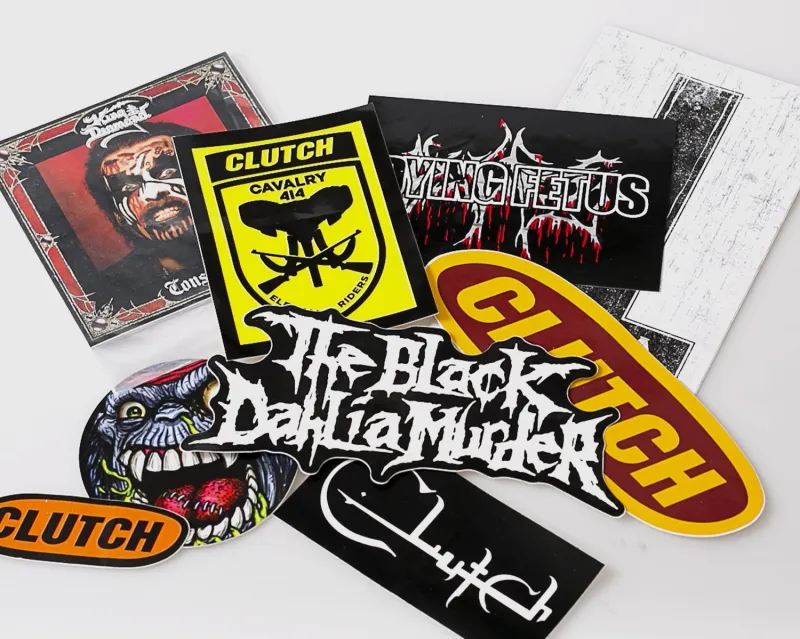
Photo: indie merchandise limited edition fan collectibles small convention, via indiemerchandising.com
There's a certain kind of pride that comes with being into something before it blows up — or being into something that never blows up, that just stays yours and a small group of other weirdos who found each other online. That feeling is real and it's good and there's nothing wrong with it.
But here's something that doesn't get talked about enough: being a fan of niche stuff has developed a pretty serious price tag. And unlike the cost of following mainstream culture — where a Netflix subscription and a movie ticket gets you pretty far — the cost of participating in a smaller, more dedicated fandom is starting to look less like hobby spending and more like a subscription service you never agreed to.
The Math Is Starting to Get Uncomfortable
Let's walk through what being a dedicated fan of something niche actually costs in 2024. Say you're into an indie animated series with a passionate cult following. The show streams on a platform you already pay for, sure. But the fandom? That's a different economy entirely.
There's the Patreon for the creators, because independent artists can't survive on streaming residuals alone — and the tiers that actually give you anything meaningful start at $10-15 a month. There's the limited merch drop that happens twice a year, usually with a 48-hour window and shipping costs that make a $35 enamel pin feel more like a $50 commitment. There's the fan convention, if there is one, which for smaller fandoms tends to mean a smaller event with a higher per-ticket cost because they don't have the attendance numbers to offset production expenses. And if your favorite niche creator or cast does a meet-and-greet, photo op pricing at these smaller events can actually exceed what you'd pay at a major Comic-Con.
Mainstream fans aren't dealing with this the same way. If you're into the MCU or Taylor Swift or whatever the dominant pop culture moment is, you have options at every price point. Free content is everywhere. The expensive stuff exists, but it's not the only way in. The community doesn't require financial proof of devotion.
Why Niche Costs More: The Actual Reasons
This isn't anyone being predatory, at least not usually. The economics make a kind of painful sense. When you have a smaller audience, you can't manufacture merch at scale, which means per-unit costs stay high. You can't negotiate the same venue deals. You can't spread production costs across a million attendees.
Independent creators especially are in a genuinely tough spot. They're not getting the backend money that comes with mass distribution. Patreon and similar platforms exist because they need direct fan support to keep making things. The ask is real, the need is real, and most fans understand that.
But understanding why it costs more doesn't make the cost easier to absorb. And it creates a kind of quiet gatekeeping that nobody designed intentionally but that exists very much in practice.
The Gatekeeping Nobody Wants to Admit Is Happening
Fandom communities like to think of themselves as inherently welcoming — that if you're into the thing, you're in. And emotionally, ideologically, that's often true. But financially? There's a tier system developing that's hard to ignore.
The fans who can afford the Patreon get early access, exclusive content, and direct creator interaction. The fans who can afford the limited merch get visible markers of dedication. The fans who can make it to the niche convention get the shared experience and the parasocial closeness that comes from being in the same room as the people who made the thing you love. Everyone else participates from a distance — which is still participation, but it's a different kind.
This matters because niche fandoms have historically been spaces where people who didn't fit mainstream culture found community. The kid who was into something weird, the adult who felt out of step with pop culture trends — these spaces were supposed to be the alternative. When those spaces develop their own financial barriers, something about the original promise gets complicated.
Is This Sustainable?
Honestly, it's hard to say. The model works as long as enough fans can and will pay the premium. But there are a few pressure points that seem worth watching.
First, fan burnout is real. Niche fandom asks a lot emotionally — you're often doing the work of promoting something, defending it, explaining it, keeping it alive through word of mouth. Adding significant financial asks on top of that can tip the balance toward exhaustion. Some fans are already starting to talk about "fandom fatigue" in ways that sound less like casual frustration and more like genuine withdrawal.
Second, the discovery problem. New fans coming into a niche community and immediately facing a paywall for anything beyond surface-level engagement might not stick around long enough to become the dedicated fans that sustain the community. The price of entry can function as a lid on growth.
And third — and this is the one that sits weirdest — there's something philosophically strange about a subculture that defines itself against mainstream commercialism becoming its own kind of commercial ecosystem. Not wrong, exactly. Just worth sitting with.
What This Means Going Forward
None of this is an argument for not supporting independent creators or skipping the niche conventions or refusing to buy the limited-run zine. Support the things you love, especially the small ones — that's always going to be true.
But it's worth naming that the "niche tax" exists, that it falls unevenly, and that communities built on shared passion deserve to think critically about whether their economic models are accidentally building walls around the thing they love most.
The best fandoms figure out how to keep the door open while still keeping the lights on. That's a hard balance. But it's the right one to aim for.